Featured
Table of Contents
- – The Death of the Conventional Therapy Office (...
- – AI: Your New Clinical Assistant (That Never Ev...
- – The Documents Revolution Nobody Speak About a...
- – Redeeming Your Life, Ten Hours at a Time
- – The Privacy Discussion You Can't Avoid
- – Structure Your Mobile Practice: The Unglamorou...
- – The Facilities Nobody Sees
- – The Flexibility Formula in Real Numbers
- – Grasping the SEO Game: Getting Found When It M...
- – The Keywords That In Fact Bring Customers to ...
- – Material That Transforms Browsers Into Bookings
- – The Medical AI Club and Why Community Issues M...
- – Genuine Talk: The Obstacles Nobody Discusses i...
- – When Modern Technology Falls Short (And It Wi...
- – The Personal Connection Inquiry That Will Not...
- – The Financial Risk That Keeps You Up in the e...
- – The Evidence: Does This Actually Work or Is It...
- – Your First Actions: Where to Actually Start
- – The Moral Dimension Nobody Wants to Go Over
- – The Affordable Benefit Hidden in Plain Sight
- – The Future Is Already Right Here-- It's Simply...
The specialist's workplace is getting a significant upgrade-- and it might not have wall surfaces anymore.
Image this: You're drinking coffee at a café in Barcelona, finishing up a session with a customer in Boston, then investing your afternoon discovering Gothic architecture before your following consultation. Audio impossible? For an expanding community of therapists, this is Tuesday.
The combination of fabricated knowledge and location-independent practice designs isn't just transforming where therapists work-- it's transforming how they live, what they can accomplish, and who they can help. therapy ai free. If you've ever before felt entraped by the conventional treatment design, what adheres to may simply change your entire profession trajectory
The Death of the Conventional Therapy Office (And Why That's Great News)
The traveling therapist motion has reinvented just how clinicians approach their careers, showing that therapy is most impactful when it lines up with individual growth and adventure as opposed to being restricted to a taken care of area.
This isn't some edge motion anymore. It's a full-scale reimagining of what a therapy profession can be. The pandemic confirmed what forward-thinking therapists already recognized: location matters far much less than connection. Now, with the framework completely mature and AI managing the busywork, there's never ever been a far better time to damage without the brick-and-mortar model.
The obstacles that as soon as kept therapists connected to traditional workplaces have collapsed. Technology that really functions has changed those nightmare pixelated video calls that iced up mid-crisis. Customers increasingly prefer the benefit of remote sessions, and specialists are tired of commutes, overhead prices, and feeling stuck in one area. The question isn't whether you can method from another location any longer-- it's whether you prepare to declare the liberty that's now possible.
AI: Your New Clinical Assistant (That Never Ever Takes Coffee Breaks)
Let's talk about the elephant in the area-- or instead, the robot that some therapists are afraid will take their work.
Spoiler alert: AI isn't your replacement. It's your ace in the hole.
The Documents Revolution Nobody Speak About at Supper Events
Scientific documentation, therapy planning, and progression notes can eat numerous hours each week, swiping time from actual client treatment. If you have actually ever kept up until twelve o'clock at night finishing notes while your companion asks when you're pertaining to bed, you recognize precisely what we're speaking about.
Below's where AI ends up being really transformative. Modern systems can prepare development notes from session recordings or short therapist input, produce therapy plan templates tailored to certain diagnoses, and recommend evidence-based interventions based on customer presentations. They manage consultation suggestions, routine customer communications, and develop evaluation recaps from intake data-- all the administrative grunt job that made you examine your career selections at 11 PM on a Thursday.
Here's what AI can not and need to not change: your professional judgment and restorative intuition. The human connection at the heart of recovery. Moral decision-making in intricate circumstances. Social level of sensitivity and nuanced understanding. The art of recognizing what to state and when to say it-- or more notably, when to stay quiet.
AI-driven electronic treatments are being made use of across mental healthcare to expedite evaluation, customize therapy plans, and provide healing support while matching rather than replacing existing clinician solutions. Think about AI as the management aide you always wished you might manage-- one who works 24/7, never makes transcription errors, and doesn't call for benefits or trip time.
Redeeming Your Life, Ten Hours at a Time
By automating professional notes, therapy strategies, scheduling, and client interactions, AI permits specialists to recover substantial time every week. We're not speaking about conserving 15 mins below and there. Therapists report conserving ten-plus hours weekly-- time that can be rerouted to client care, expert advancement, or (imagine this) actual rest.

For traveling specialists, this time around cost savings is the distinction between costs your early morning on paperwork in a resort space versus discovering a brand-new city before mid-day sessions. It's the difference in between exhaustion and sustainability. Between disliking your practice and caring it once more.
The Privacy Discussion You Can't Avoid
Before you rush to apply every AI tool you can discover, pump the brakes. HIPAA compliance continues to be vital, and specialists need to select AI devices that incorporate strong personal privacy safeguards showing legal needs.
The warnings are simpler to find than you could think. Devices that keep information on non-secure servers. Systems without certain health care compliance. Free devices that monetize your data (since if you're not paying for the product, you are the product) Services without clear personal privacy plans. AI systems that train on your client information to improve their formulas.
Pick systems built especially for doctor, not general-purpose AI chatbots that could be feeding your session keeps in mind into their next training dataset. The comfort isn't worth losing your license over.
Structure Your Mobile Practice: The Unglamorous Fact
Creating a location-independent method seems romantic till you're handling licensing headaches, web failings during sessions, or tax implications you never anticipated. Let's obtain real about what it in fact takes.
Successful traveling therapists should browse insurance billing throughout several states, comprehend GDPR demands for global work, make certain HIPAA-compliant innovation, safe and secure reliable internet access, and take care of taxes when earnings is produced from different locations.
That's a whole lot. Here's the great news: thousands of therapists have figured this out before you, and they have actually paved the means with in-depth roadmaps and hard-won lessons.
The Facilities Nobody Sees
Your mobile practice requires unnoticeable framework-- the monotonous stuff that makes whatever else possible. Cloud-based EHR systems that let you access client records safely from anywhere. HIPAA-compliant video systems that aren't Zoom or FaceTime however healthcare-specific solutions created for the regulatory scrutiny we encounter. Trustworthy VPN services that shield data even on questionable hotel Wi-Fi. Backup internet remedies like mobile hotspots for redundancy. Encrypted cloud storage for papers that require added security. Method monitoring software that deals with scheduling, payment, and client communications while you're essentially beyond of the globe.
The preliminary investment really feels significant-- someplace between 2 and 4 thousand bucks for devices and monthly memberships that total possibly two hundred dollars. Contrast that to typical workplace overhead, and the mathematics gets intriguing fast.
The Flexibility Formula in Real Numbers
Therapists that welcome remote work report improved work-life balance, far better adaptability in scheduling, direct exposure to varied client populaces across various societies, and considerably minimized overhanging prices contrasted to maintaining physical workplace area.
Allow's translate that right into real bucks. Traditional office rental fee runs fifteen hundred to 3 thousand month-to-month. Utilities add another two to four hundred. Office home furnishings require three to 10 thousand upfront. Your commute swipes five to ten hours weekly. And you're restricted to customers who can physically reach your area.
The mobile method design? Absolutely no workplace rent. Your routine home or travel prices for utilities. Two to four thousand one-time for high quality tools. Absolutely no commute hours. And endless geographical customer reach within your licensing restraints.
The majority of therapists end up being much more successful within three to six months of going totally remote, even accounting for technology investments. The distinction isn't low-- it's transformative.
Grasping the SEO Game: Getting Found When It Matters
Here's an awkward fact: You might be the world's ideal injury therapist, but if nobody can discover you online, your skills do not matter. You're the best-kept secret nobody learns about.
Keyword phrases that encompass technology and access are important, consisting of terms like online therapy, virtual therapy, video clip treatment for anxiousness, telehealth counseling for depression, available online treatment, and protected video therapy.
The Keywords That In Fact Bring Customers to Your Virtual Door
Common search phrases like "specialist" and even "online therapy" audio attractive yet they're extremely competitive and bring in tire-kickers. Long-tail key phrases like "specialist for stress and anxiety in [location]" are a lot more reliable than generic terms due to the fact that they indicate the searcher understands specifically what they're trying to find and is all set to employ currently.
The magic takes place when you obtain specific. On the internet EMDR therapist licensed in California. Online couples counseling for interfaith relationships. Remote DBT abilities educating for healthcare employees. Telehealth therapy for expats having problem with cultural adjustment. Evening video clip therapy sessions for working parents. These searches stand for people who have actually relocated past "I wonder if therapy could assist" to "I need this details point today."
Intent-driven keyword phrases that signify a client prepares to involve include phrases like on the internet physician near me, virtual immediate care, online therapy for anxiousness, and telehealth services plus location-specific modifiers. When someone searches these terms, they're not looking into-- they're shopping. That's the traffic you want.
Material That Transforms Browsers Into Bookings
Your website should not simply exist-- it needs to benefit you while you rest or while you're exploring that market in Marrakech. The web content strategy isn't about gaming formulas. It has to do with responding to the precise inquiries your suitable customers are asking Google at 2 in the early morning when they can't sleep.
How does online therapy actually work? Is online treatment as reliable as in-person? What do I require to prepare my room for sessions? Does my insurance coverage cover teletherapy? How do I locate an injury therapist I can see from home? These aren't just article ideas-- they're the real searches happening now, entered by individuals that might become your clients if you give them valuable solutions instead of keyword-stuffed trash.
Optimizing website content with appropriate key words like online therapy, telehealth therapy, digital mental health services, and location-specific teletherapy terms helps potential customers find your practice via internet search engine. But the optimization just works if the material is really useful. Look engines are advanced sufficient to acknowledge keyword padding, and human beings most definitely understand when they're checking out material created for robotics rather than individuals.
The Medical AI Club and Why Community Issues More Than Ever before
Among the biggest myths regarding remote method? That it's separating. That you'll miss out on the corridor conversations and the spontaneous peer assessments that take place when you share office.
Neighborhoods like the Professional AI Club equip specialists with cutting-edge AI tools and ongoing support, freeing experts from laborious tasks so they can commit more time to guide customer care.
These aren't just Facebook teams where people grumble about insurance coverage firms (though that takes place too) They're thriving communities where therapists fix innovation failings in real-time, share ideal techniques gained via expensive mistakes, upgrade each various other on regulative modifications affecting remote method, provide peer examination for complex cases, develop accountability for implementing brand-new systems, and network in means that transcend geography.
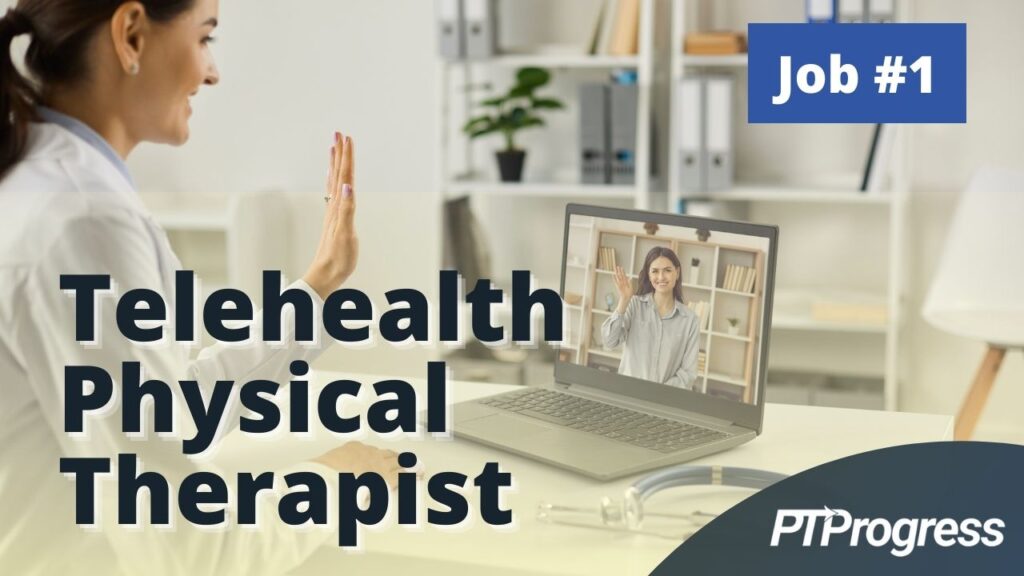
Taking a trip specialists can keep specialist connections with online communities, peer appointment teams, and online proceeding education opportunities that offer professional assistance no matter of physical location. Lots of practitioners report their professional networks actually expanded after going remote. When geography doesn't restrict whom you can attach with, your world grows, not smaller. You're not trading area for flexibility-- you're broadening right into both.
Genuine Talk: The Obstacles Nobody Discusses in the Instagram Posts
Allow's address the worries that may be keeping you from taking the jump. Right stuff that seems workable until you're in fact managing it at an inconvenient minute.
When Modern Technology Falls Short (And It Will Certainly)
The web will decrease throughout a session. Ultimately, undoubtedly, it will occur. Maybe throughout an important innovation moment. Maybe when a customer remains in crisis. Perhaps when you remain in an international nation with unfamiliar facilities.
And you'll manage it with a method, just like you 'd take care of any kind of disruption. You maintain the client's telephone number easily obtainable. You call immediately if the connection goes down. You use your back-up web to reconnect using video. You proceed by means of phone if video clip will not stabilize. You reschedule if necessary, without charging for cut off time. You don't worry, since panic isn't useful and you're an expert that intends for backups.
Clients recognize innovation stops working. What they can not accept is a specialist that stresses or doesn't have a plan. The innovation failing isn't the issue-- your action is what matters.
The Personal Connection Inquiry That Will Not Die
This problem is reasonable however greatly unproven. After the initial few sessions, the tool comes to be transparent. The healing alliance-- that essential ingredient of effective therapy-- creates just as robustly through screens as throughout workdesks. Often much more so.
Several specialists discover that particular customers in fact open much more conveniently from the security of their own space. The cam produces affection while preserving borders that feel more secure. Injury survivors often choose not being in a small enclosed space with another individual. Socially distressed customers find video sessions less frustrating than in-person conferences. The medium isn't substandard-- it's various, with various advantages.
The Financial Risk That Keeps You Up in the evening
Programs like those provided through The Taking a trip Specialist supply comprehensive training on making techniques mobile, whether intending for permanent digital nomad status or periodic travel flexibility.
The paradox? A lot of specialists discover their techniques end up being more lucrative after going remote, not less. When you remove office expenses and can offer clients throughout more comprehensive geographical locations, your economic photo normally improves considerably.
The smart shift isn't significant-- it's gradual. You start with a crossbreed version, keeping some office hours while developing your remote customer base. You construct a three-month expenditure cushion before going totally remote. You don't terminate your workplace lease up until remote income continually surpasses what you were gaining with the expenses. You purchase quality technology from day one because cheap equipment expenses much more in lost sessions than you save ahead of time. You work with an accountant aware of multi-state practice taxes before the internal revenue service develops pricey learning chances.
The Evidence: Does This Actually Work or Is It All Buzz?
Skeptics might wonder if this is simply an additional wellness trend that seems wonderful but delivers little. The study states or else.
Research shows that AI-powered therapy devices reveal meaningful professional benefits similar to standard outpatient treatment, suggesting this innovation offers important real-time support for people lacking normal accessibility to psychological health and wellness experts.
This isn't regarding replacing human specialists-- it's about prolonging their reach and effectiveness while safeguarding their sustainability. AI manages the management concern that creates exhaustion. Remote distribution gets rid of geographic obstacles that leave country areas underserved. The result? More people getting help from skilled medical professionals who aren't wearing out from documents and overhead tension.
The end results are comparable. The client contentment is equivalent. The specialist fatigue prices are significantly lower. The financial stability is significantly greater. The way of living flexibility is unparalleled. The evidence isn't marginal-- it's engaging.
Your First Actions: Where to Actually Start
The gap in between "this sounds fascinating" and "I'm doing this" can really feel substantial. It's not a jump-- it's a collection of convenient actions that thousands of specialists have actually currently taken successfully.
Beginning with a straightforward audit of your current operations. Which jobs consume out of proportion time about their value? Documents usually covers this checklist. Research HIPAA-compliant AI documentation tools that incorporate with your existing systems. Do not upgrade every little thing all at once-- that's a recipe for bewilder. Select one pain factor and resolve it entirely prior to relocating to the following
Examine your state's telehealth guidelines while you're carrying out paperwork devices. Some states have extremely permissive policies. Others maintain aggravating limitations. Understanding the landscape before you prepare prevents the frustration of finding limitations after you've spent time and money in the wrong direction.
Join areas of traveling therapists prior to you make significant changes. These aren't just support teams-- they're repositories of institutional understanding. Someone has actually currently made every error you're pondering. Find out from their pricey lessons as opposed to spending for your very own graduate education in what doesn't work.
The innovation arrangement comes next off, yet don't consume over having ideal tools prior to starting. A top quality laptop, respectable headset, and reliable web cover the fundamentals. You can optimize later on. Many specialists postpone releasing due to the fact that they're waiting for excellent conditions that never ever get here. Sufficient is much better than excellent someday.
The Moral Dimension Nobody Wants to Go Over
Innovation and liberty are exciting, yet they include obligations that aren't optional accessories-- they're core requirements.
Informed permission should clearly deal with just how AI is used in treatment. Clients should have transparency regarding what's being automated and what stays purely human judgment. They require to understand what data is kept where and what safeguards secure their privacy. Obscure peace of minds aren't enough-- particular, sincere disclosure is called for.
Information security becomes significantly more intricate when you're working from different areas. Beyond HIPAA-compliant systems, you require encrypted documents storage, safe and secure password administration systems, and mindful attention to physical protection when functioning from public or semi-public rooms. The ease of working from a coffee shop should be balanced against the responsibility of shielding customer privacy. That equilibrium is achievable, yet it calls for conscious interest instead than hope.
Cultural skills takes on brand-new dimensions when your customer base extends geographical regions. Remote practice commonly implies offering clients from diverse histories and locations. This expanded reach needs recurring education and learning about the details areas you offer and level of sensitivity to exactly how cultural elements affect psychological wellness and therapy preferences. The assumption that your training covered "social competence" adequately becomes undoubtedly inadequate when you're seeing customers from contexts you have actually never directly experienced.
The Affordable Benefit Hidden in Plain Sight
From a pure service viewpoint, welcoming AI and mobile method versions produces substantial affordable benefits that worsen in time. Overhead reduction straight improves profit margins in manner ins which are difficult to attain by merely seeing even more customers. The capability to offer clients across broader geographical areas expands your prospective market beyond neighborhood competitors. Providing adaptable organizing throughout time zones makes your services obtainable to clients with demanding job routines who can not make conventional appointment times function.
Marketing becomes more uncomplicated when you can legitimately assert know-how in remote therapy-- a service significantly looked for by tech-savvy clients that value ease and by underserved populations that lack local access to specialists. You're not competing on proximity any longer. You're contending on field of expertise, accessibility, and fit.
The specialist shortage impacting numerous regions implies need for high quality remote solutions will proceed expanding for the direct future. Positioning yourself as a specialist in online shipment while leveraging AI to maintain medical quality and convenient caseloads puts you at the forefront of an expanding market as opposed to contesting scraps in an oversaturated city.
The Future Is Already Right Here-- It's Simply Unevenly Distributed
The mix of expert system and location-independent method versions represents greater than a trend-- it's a fundamental reimagining of what a lasting, meeting therapy career can resemble. By minimizing administrative worry through wise automation and removing geographical restrictions via remote delivery, therapists can concentrate on what drew them to this profession to begin with: meaningful connection and transformative client end results.
Whether your vision involves ending up being a full-time digital nomad or just having the versatility to function from home when needed, the devices and understanding to make it take place are readily available now. The framework is mature. The innovation is reputable. The governing setting has adjusted. The customer demand is confirmed.
The only continuing to be concern is whether you're ready to step right into this new paradigm of restorative practice-- one where professional quality and individual freedom aren't competing priorities, yet corresponding components of a well-designed occupation. One where you can supply outstanding treatment without compromising your own health and wellbeing. One where the office has wall surfaces only if you want it to.
The taking a trip specialist way of life isn't for every person. For those who've felt constricted by standard method versions, that've questioned if there's another means, that've dreamed of more flexibility while preserving clinical stability-- this is your minute. The path is clear. The area is waiting. The future of your practice is limited just by your willingness to accept what's already possible.

Table of Contents
- – The Death of the Conventional Therapy Office (...
- – AI: Your New Clinical Assistant (That Never Ev...
- – The Documents Revolution Nobody Speak About a...
- – Redeeming Your Life, Ten Hours at a Time
- – The Privacy Discussion You Can't Avoid
- – Structure Your Mobile Practice: The Unglamorou...
- – The Facilities Nobody Sees
- – The Flexibility Formula in Real Numbers
- – Grasping the SEO Game: Getting Found When It M...
- – The Keywords That In Fact Bring Customers to ...
- – Material That Transforms Browsers Into Bookings
- – The Medical AI Club and Why Community Issues M...
- – Genuine Talk: The Obstacles Nobody Discusses i...
- – When Modern Technology Falls Short (And It Wi...
- – The Personal Connection Inquiry That Will Not...
- – The Financial Risk That Keeps You Up in the e...
- – The Evidence: Does This Actually Work or Is It...
- – Your First Actions: Where to Actually Start
- – The Moral Dimension Nobody Wants to Go Over
- – The Affordable Benefit Hidden in Plain Sight
- – The Future Is Already Right Here-- It's Simply...
Latest Posts
Phase by Stage Implementation
The Ethical Considerations
When Technology Crashes
More
Latest Posts
Phase by Stage Implementation
The Ethical Considerations
When Technology Crashes